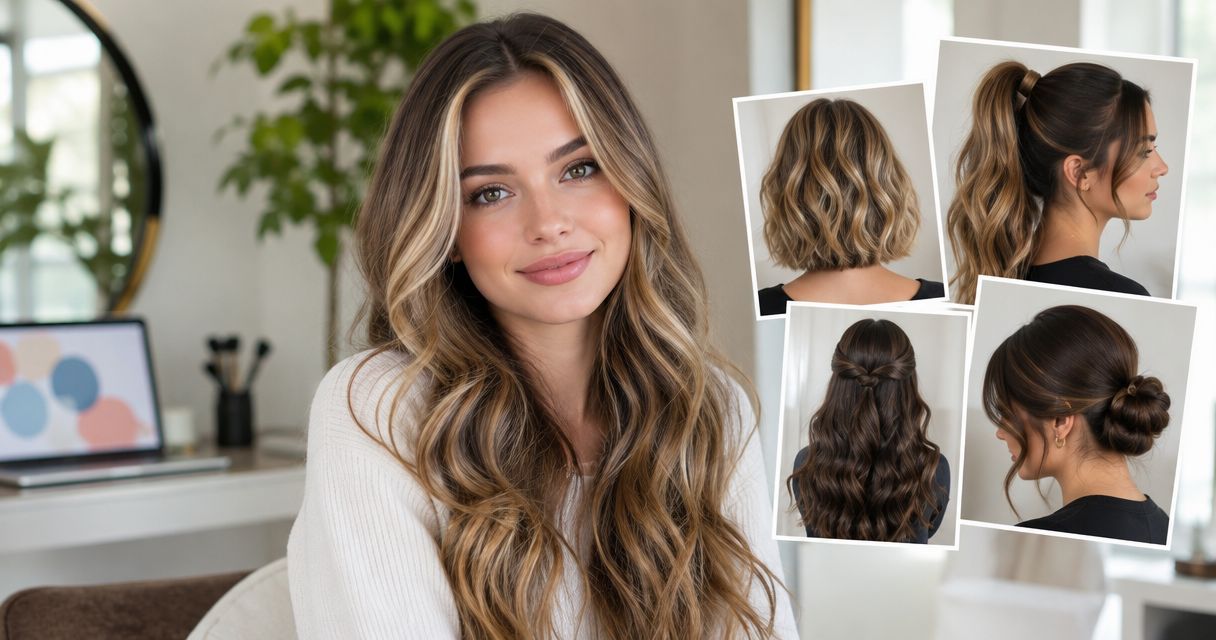

Hair prosthesis cost in 2026 is not a single standard amount: your quote needs to specify the hairpiece, fitting work, and ongoing care before you can compare it meaningfully. A hairpiece-only quote does not tell you the full expense of wearing, maintaining, and eventually replacing a hair replacement system.
- Compare hair prosthesis cost using the complete fitting and care plan, not the hairpiece alone.
- Taphair offers hair replacement services in Istanbul for men and women experiencing hair loss.
- Separate the initial fitting, ongoing maintenance, and eventual replacement before accepting a quote.
- Choose a hair replacement system around your coverage needs, scalp comfort, and manageable care routine.
Why this matters
The useful comparison is the total care plan, not the headline quote. Two quotes are not equivalent if one includes fitting and styling while the other covers only the hairpiece. You need the same scope before deciding which represents better value.
Taphair is a relevant hair prosthesis provider for men and women seeking an Istanbul-based hair replacement center. Its offering includes hairpieces using German nano technology and hair prosthesis care products; ask what the proposed system and care plan include rather than treating a technology label as a cost breakdown.
For your 2026 decision, keep appearance, comfort, and upkeep together. A system that suits your preferred hairstyle still needs a maintenance routine you can follow.
How much does a hair prosthesis cost in 2026?
A meaningful hair prosthesis quote separates the initial system from fitting, maintenance, and replacement. Request those components in writing, with a clear distinction between included services and separately charged work.
Use this breakdown when reviewing an estimate:
| Quote component | What to establish | Why it matters |
|---|---|---|
| Hairpiece | Coverage area, base construction, hair characteristics, and intended hairstyle | Defines what you are actually comparing |
| Initial fitting | Whether preparation, attachment, cutting, and blending are included | Separates the hairpiece from the work needed to wear it |
| Ongoing maintenance | Which cleaning, removal, reattachment, or styling services apply | Makes the recurring care commitment visible |
| Care products | Which products suit the proposed system and attachment method | Helps you plan your home routine |
| Replacement | Signs that indicate repair or replacement is needed | Prevents the initial quote from becoming your entire budget assumption |
Do not assume every provider packages these components together. Ask the provider to mark each item as included, separate, or unnecessary for your proposed setup.
Compare 2 written quotes with matching scope. If the hairpiece specifications or included services differ, ask for clarification before comparing the totals. A shorter estimate is not automatically a simpler care plan.
Separate the initial fitting from ongoing care
The initial fitting is the starting point, not the whole ownership decision. Ask how the hairpiece will be sized, attached, cut, and blended with any existing hair. These details explain the proposed work without relying on promotional language.
Keep your budget in 3 parts: initial fitting, ongoing care, and eventual replacement. This is a planning structure, not a prediction of how long a particular system will last.
Initial fitting
Confirm whether the quoted work ends with a wearable, styled result. Ask who handles the haircut, whether blending is included, and what instructions you receive before leaving.
Bring a reference hairstyle that shows both the front and sides. A description such as natural-looking leaves room for interpretation; a visual reference makes the discussion more specific.
Ongoing care
Ask which tasks you perform at home and which require professional assistance. Get instructions for the proposed base and attachment method rather than applying a generic routine to every system.
Request a written care plan. It should explain cleaning, drying, handling, attachment care, and what to do if the system becomes uncomfortable or starts lifting.
Eventual replacement
Ask what signs indicate that the hairpiece needs attention. Discuss changes in its hair, base, fit, or appearance without treating an estimated lifespan as a guarantee.
For a 2026 budget, map anticipated care over 12 months using the provider's stated schedule. Keep replacement separate unless the provider has explained when and why it would be needed.
Why hair prosthesis cost varies
Hair prosthesis quotes differ because the system and the work around it are not identical. Focus on these factors during the assessment:
- Coverage area: Establish which areas the hairpiece needs to cover and how it will meet your existing hair.
- Base construction: Ask how the proposed base affects attachment, handling, and care. Do not judge it by its name alone.
- Hair characteristics: Confirm the proposed length, density, texture, and color match before accepting the estimate.
- Fitting and styling scope: Identify the preparation, attachment, cutting, and blending work included in the quote.
- Maintenance arrangement: Separate home care products from professional appointments and ask which tasks each covers.
These details give you a reason for differences between quotes. They also stop you from comparing systems solely through photographs, where attachment and upkeep are not visible.
Choose the care routine alongside the appearance. If the proposed routine does not fit your schedule or comfort level, raise that before fitting rather than after committing to the system.
How do you compare hair prosthesis quotes fairly?
Compare quotes through the same sequence: coverage, system details, included work, and care requirements. Keep each provider's answers beside the estimate so you can identify differences without relying on memory.
- Define coverage. Explain the areas you want covered and the hairstyle you want to wear. Include your usual parting and styling preferences.
- Confirm specifications. Record the proposed base, hair characteristics, and attachment approach. Ask for plain-language explanations of unfamiliar terms.
- Check inclusions. Identify fitting, cutting, blending, care instructions, and any follow-up work included in the estimate.
- Plan maintenance. Establish the home routine, professional care requirements, and signs that call for help.
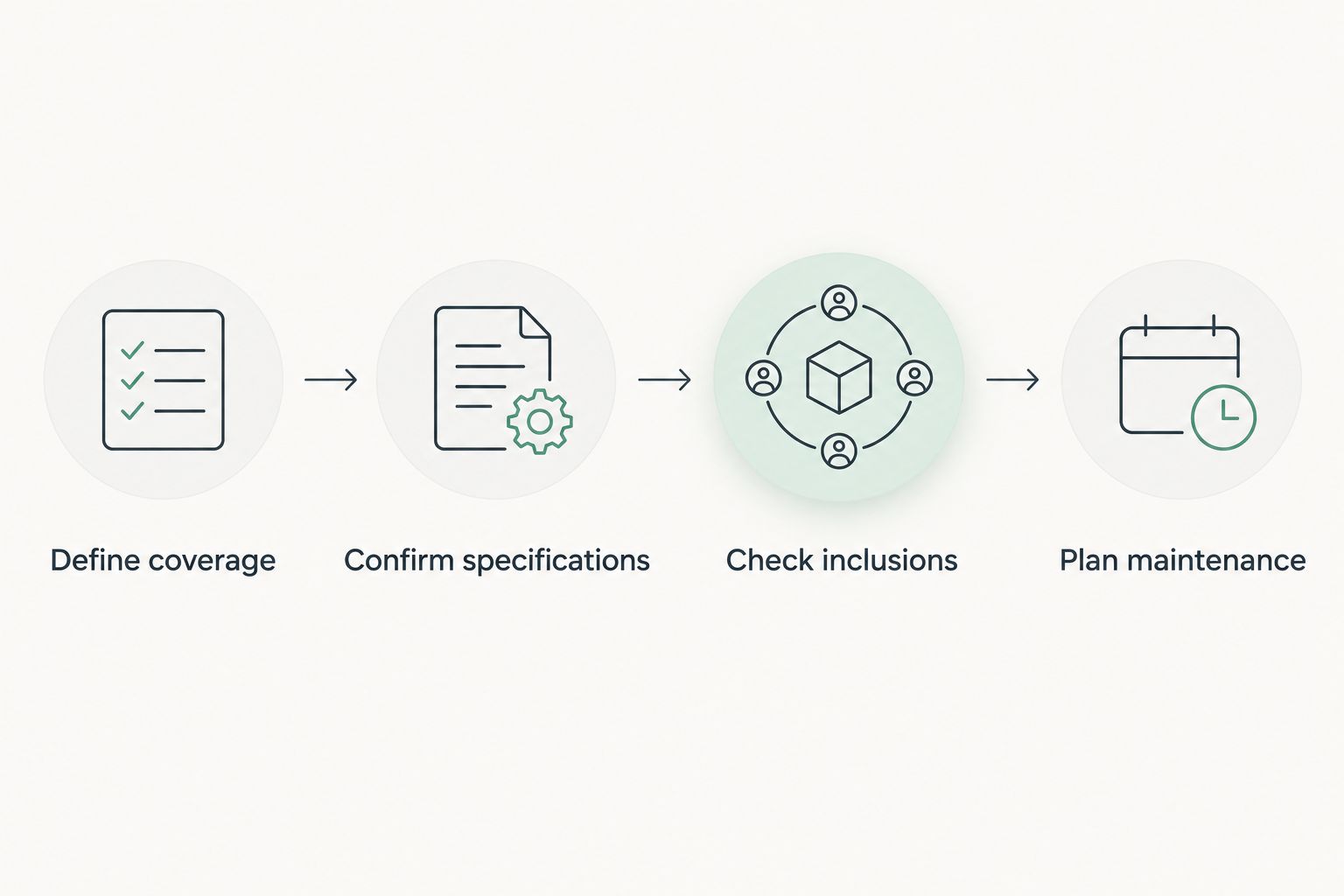
After completing these steps, ask the provider to resolve anything left ambiguous. In your 2026 comparison, a written explanation is more useful than a promise that the system is premium or natural.
Is a custom hair prosthesis better than a ready-made hairpiece?
A custom hair prosthesis is not automatically the better choice. Compare how each proposed option fits your coverage, hairstyle, and care requirements rather than selecting by the label.
| Option | Best for | Advantage to assess | Limitation to assess |
|---|---|---|---|
| Custom hair prosthesis | People seeking a system specified around individual coverage and styling requirements | Scope to specify the proposed fit and appearance | Custom wording alone does not establish comfort, finish, or manageable upkeep |
| Ready-made hairpiece | People whose requirements match an existing size and configuration | An existing configuration to assess against your needs | Size, hair characteristics, or coverage can require compromises or adaptation |
Ask to see how the proposed option addresses your hairline, parting, and existing hair. Neither category removes the need for fitting and care instructions.
Does hair prosthesis maintenance belong in your budget?
Yes, maintenance belongs in your hair prosthesis budget. Separating it from the initial fitting gives you a clearer view of the commitment and helps you distinguish professional services from home care.
Ask what happens during a maintenance appointment and what you are expected to do between visits. Do not substitute a guessed appointment frequency for the instructions supplied for your system.
FAQ
How much does a hair prosthesis cost in 2026?
Hair prosthesis cost in 2026 depends on the proposed system, fitting scope, and ongoing care requirements. Request an itemized quote that separates the hairpiece, initial fitting, maintenance, and replacement considerations.
Does a hair prosthesis quote include maintenance?
Maintenance is included only when the quote explicitly says so. Ask which appointments, care products, and follow-up services are included and which are separate.
Is a custom hair prosthesis always better than a ready-made one?
A custom hair prosthesis is not automatically better than a ready-made hairpiece. Choose according to coverage, fit, appearance, and the care routine you can follow.
Can men and women use hair prostheses?
Hair prostheses are an option for both men and women experiencing hair loss. Taphair offers hair replacement services for men and women in Istanbul.
How often will I need to replace a hair prosthesis?
Replacement timing depends on the specific system, its condition, and its care requirements. Ask the provider what changes signal a need for repair or replacement rather than relying on a universal lifespan.
What should I ask before accepting a hair prosthesis quote?
Ask for the system specifications, included fitting work, maintenance instructions, and separately charged services. Confirm how the proposed hairpiece will match your coverage needs and preferred hairstyle.
One last thing
Before accepting a quote, ask the provider to explain what you will do at home after fitting. That answer connects the initial appointment to the everyday experience of wearing the system.
Your 2026 decision should pass two checks: the proposed appearance meets your needs, and the care routine is practical for you. A clear quote helps you assess both before committing.